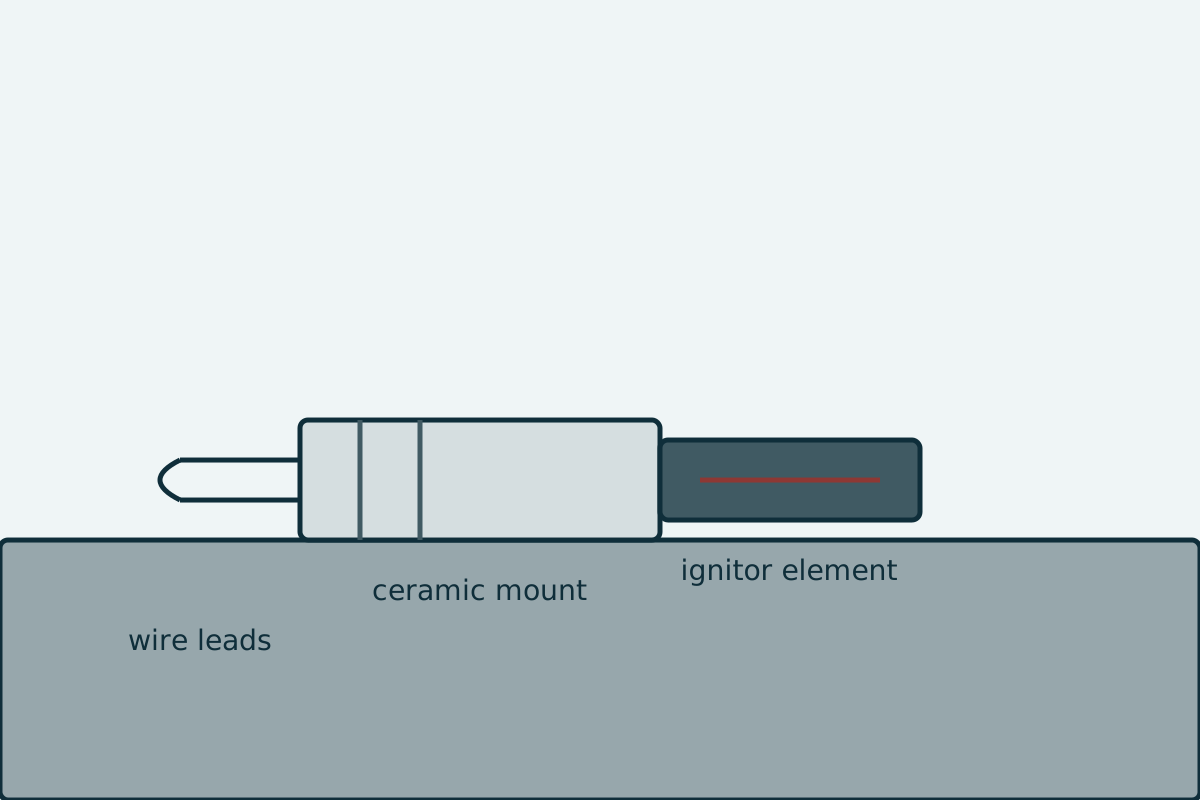
If your furnace clicks, runs its fans and then never lights, a worn or cracked ignitor is a likely cause. The ignitor is the part that lights the gas in a modern furnace, and hot surface ignitors are common failure items. There is no sourced price range for an ignitor on its own, but Bob Vila's furnace repair guide puts general furnace repair at $100-600. A local specialist will quote the real price, and should also check why the ignitor failed. This page is part of the guide to furnace parts and ignition. It explains the types, the signs and the cost.
What does a furnace ignitor do?
The ignitor lights the gas at the burners. In most furnaces made in recent decades, it replaces the standing pilot light, a small flame that burned all the time. The control board heats or sparks the ignitor only when the thermostat calls for heat.
Carrier says a standing pilot light is found on older gas furnaces, generally those made before the mid-1990s, and that newer furnaces use electronic ignition such as hot surface or intermittent pilot ignition. The ignitor sits in the sequence like this:
- The thermostat calls for heat and the board checks its safety switches.
- The inducer fan starts and the pressure switch proves the vent is drawing.
- The ignitor warms up, or sparks on some models.
- The gas valve opens and the burners light.
- The flame sensor confirms flame. If it does not, the board shuts the gas off.
- The blower starts and warm air flows through the ducts.
The ignitor, the gas valve and the flame sensor work together. If the ignitor is weak, the gas may not light, or may light late. A good furnace only opens the gas when it is sure the ignitor is ready.
What are the types of furnace ignitors?
Three types are common. Hot surface ignitors glow like a heating element and are the most common today. Direct spark ignitors create a spark at the burner. Intermittent pilot systems light a small pilot flame when heat is called for, prove it, then open the main gas valve. Older furnaces use a standing pilot light.
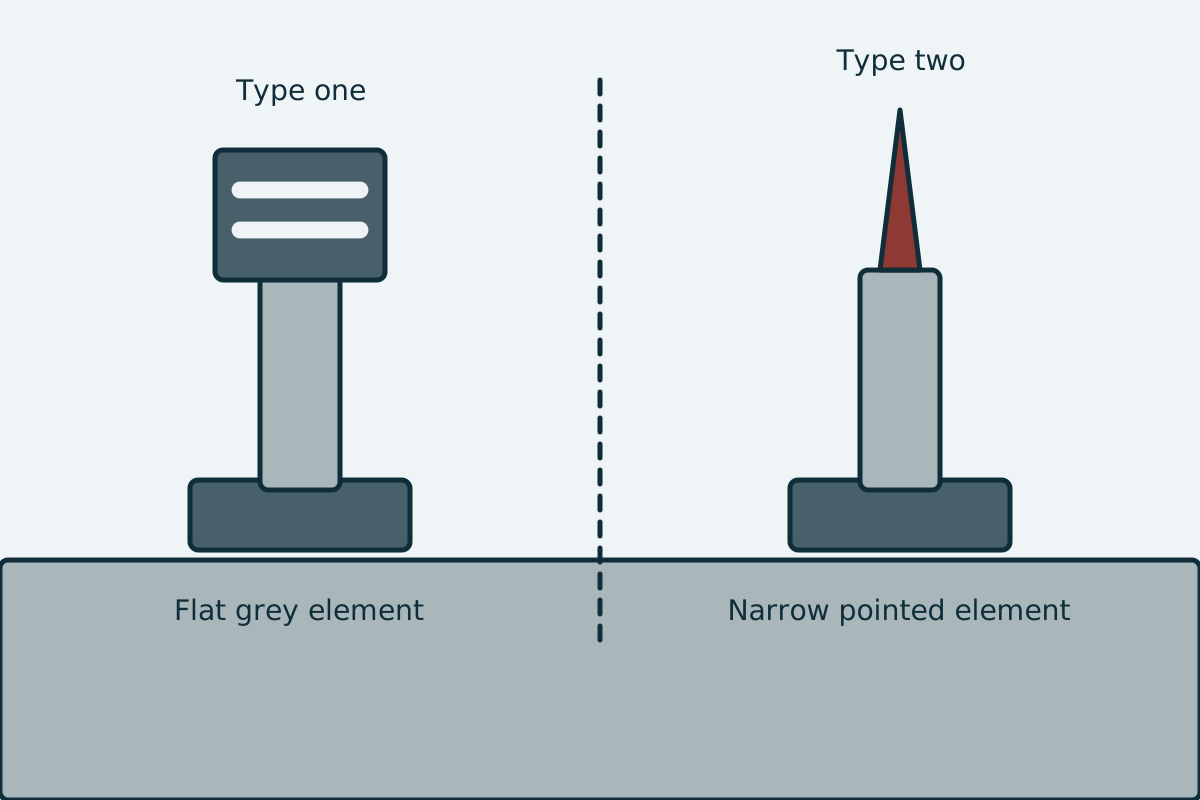
- Hot surface ignitor. A ceramic element made of silicon nitride or silicon carbide that heats until it glows. It is fragile and should not be touched with bare hands. This is the type that fails most often.
- Direct spark ignitor. Creates a spark at the burner and needs good grounding to work.
- Intermittent pilot. Lights a small pilot flame only during a heating cycle.
- Standing pilot. A small flame that burns all the time, with a thermocouple as the safety device. Used on older furnaces.
Which type you have affects the part, the price and the troubleshooting. A specialist will confirm from your furnace model. If you are not sure which one you have, do not open the furnace to find out. Look in the owner's manual for a parts list.
How do I know if my furnace ignitor is bad?
The classic sign is a furnace that runs the inducer fan, then nothing. No glow, no gas, no burners and no heat. Sometimes the furnace tries several times, then locks out and waits. The control board may blink a code. A cracked or discolored ignitor seen by a specialist is a clear sign.
Signs of a failing ignitor:
- The inducer runs, but the burners never light.
- The furnace tries a few times and then locks out. A power cycle may restart the attempts.
- The furnace takes longer and longer to start before it quits altogether.
- A specialist sees visible cracks or a broken element.
Other faults can look the same: a pressure switch that does not close, a bad gas supply, a control board fault or a weak ground. Published guides list the igniter, gas supply, grounding and control board as the checks for an ignition lockout. See furnace pressure switch repair and furnace flame sensor for similar symptoms with different causes.
If you smell gas, leave the home and call 911 from outside. Do not try to light anything. Carrier advises that you should not try to light a pilot if you smell gas. If a carbon monoxide alarm sounds, get everyone to fresh air and call 911, as the CPSC advises.
How much does furnace ignitor replacement cost in Sacramento?
Bob Vila's furnace repair guide puts general furnace repair at $100-600, and that is the nearest sourced figure for an ignitor job. There is no sourced range for the ignitor alone, so ask for a written quote. The part is often modest, and the service call and labor make up much of the bill. The range changes with the furnace make, the ignitor type and whether other parts are found worn.
| Item | Sourced range | What moves it |
|---|---|---|
| Furnace repair, general | $100-600 | The part, access and labor |
| Ignitor replacement, parts and labor | Ask for a written quote | Ignitor type, furnace model, access |
| Service call fee | Ask for a written quote | Specialist and time of day |
| Flame sensor, if that is the cause | Ask for a written quote | Clean or replace |
A local specialist quotes the real price. A hot surface ignitor is a wear part, and on a furnace in otherwise good shape it is worth replacing. On an old furnace, ask the specialist whether other parts are close behind it. The furnace repair cost page covers other repairs, and the cost of replacing a furnace page helps you compare.
Can I replace the ignitor myself?
Opening the furnace puts you near gas lines, electrical parts and sharp edges, and a hot surface ignitor breaks easily. For safety, treat this as a specialist job. Safe checks for you are the thermostat, the filter, the vents and the breaker. Leave the panel, the gas valve and the ignitor itself to a specialist.
What a specialist usually does:
- Turns off the power and gas.
- Tests the ignitor and checks the wiring.
- Replaces the ignitor with the right part for the model.
- Checks the flame sensor, the gas pressure and the venting while the furnace is open.
- Runs the furnace through a full cycle.
C-20 is the CSLB classification for warm-air heating, ventilating and air-conditioning work. Ask any specialist for their license number and check it on the CSLB License Check page of the CSLB website. It is also fair to ask what caused the failure. A weak ground or a dirty flame sensor can shorten the life of the new part.
Keeping the filter clean helps the whole ignition chain. If airflow is blocked, the heat exchanger runs hot, the safety switch shuts the burners off and the furnace cycles on and off. The filter replacement page covers that.
When should I call a specialist?
Call as soon as the furnace will not light after you have checked the thermostat, the filter and the breaker. Repeated lockouts need a diagnosis, and a furnace that will not light means no heat. Leave the home and call 911 from outside if you smell gas or an alarm sounds.
Before you call:
- Write down any blinking light pattern on the control board.
- Note when it stopped working and what you heard.
- Do not keep switching the furnace on and off.
- Use a safe backup heat source if it is cold, and never use an oven or a grill to heat the home.
To get prices from local specialists, use the quote request on the Sacramento Heating and AC site, and a local specialist will get back to you.
Questions people ask
How long does furnace ignitor replacement take?
Replacing the ignitor itself is often quick once the specialist has the part and has found the cause. The visit is longer if other problems turn up. Ask if the part is in stock so you do not wait for a second visit.
What should I ask before I hire someone for furnace ignitor replacement?
Ask for their California contractor license number and check it on the CSLB site. Ask whether the quote includes the part, labor and service call fee, what else they will check, and how they confirmed the ignitor was the cause. Get the quote in writing.
Do I need to be home for furnace ignitor replacement?
Yes, plan to be home or have an adult there. The specialist needs access to the furnace and thermostat, and you should see the furnace light and run before they leave. Have the furnace model number ready if you can find it on the label.
Why do furnace ignitors keep failing?
A hot surface ignitor is a fragile wear part that heats and cools every cycle. Failures can come from age, a cracked element, touching it with bare hands, or a weak ground. If a new one fails soon after fitting, ask the specialist to check the cause.
Is a furnace without a pilot light normal?
Yes. Most gas furnaces made in recent decades use electronic ignition and have no standing pilot. If you see a small flame burning all the time, you have an older furnace. If the pilot goes out and you smell gas, leave the home and call 911 from outside.
Where these facts come from
Page updated