What is the $5,000 rule for HVAC repair?
The $5,000 rule is a quick test for deciding between fixing and replacing a system. Multiply the age of the unit in years by the repair estimate. If the answer is above $5,000, a new system is usually the better buy. A $300 repair on a 6-year-old unit scores $1,800, so you repair. The same $300 on a 20-year-old unit scores $6,000, so you compare replacement quotes.
It is a rule of thumb used by contractors, not a code or a standard, so treat it as a first screen. A cheap part on an old unit can still be worth fixing, and a repeat failure on a younger unit can point the other way. Ask any specialist for the repair price and a replacement price in the same visit, then compare. The HVAC repair cost guide and the cost of replacing an HVAC system page give the numbers on both sides.
How much does HVAC repair cost in Sacramento?
This Old House puts most HVAC repairs at $100 to $2,000. Fixr puts a typical AC repair at $250 to $700 and Bob Vila puts general furnace repair at $100 to $600. Major parts push a single bill higher, up to about $3,000. These are national guide figures, not Sacramento quotes. A local specialist sets the real price after looking at your equipment, and the table below shows where the ranges come from.
| Job | Typical range | Source |
|---|---|---|
| General HVAC repair, most repairs | $100-$2,000 | This Old House |
| AC repair, typical | $250-$700 | Fixr |
| Furnace repair, general | $100-$600 | Bob Vila |
| Compressor replacement | $600-$3,000 | Fixr |
| Furnace heat exchanger replacement | $1,000-$3,000 | American Standard Air |
| Full HVAC system installed (furnace and AC) | $8,000-$20,000 | Fixr |
| Heat pump installed | $5,000-$15,000 | Fixr |
For part by part prices, open the AC repair cost and furnace repair cost guides. If you are planning a replacement, see HVAC system installation cost and heat pump cost. What moves a price most is the part that failed, how easy it is to reach, and the season. Sacramento's July average high is about 92.6 F (NOAA 1991-2020 climate normals), so cooling repairs get busy in summer.
How does an HVAC system work?
An HVAC system moves heat. In summer, an air conditioner pulls heat out of your indoor air and releases it outside, and a fan pushes the cooled air through ducts and vents. In winter, a furnace burns gas or uses electric elements to warm air, and a blower sends it around the house. A thermostat tells each part when to turn on and off.
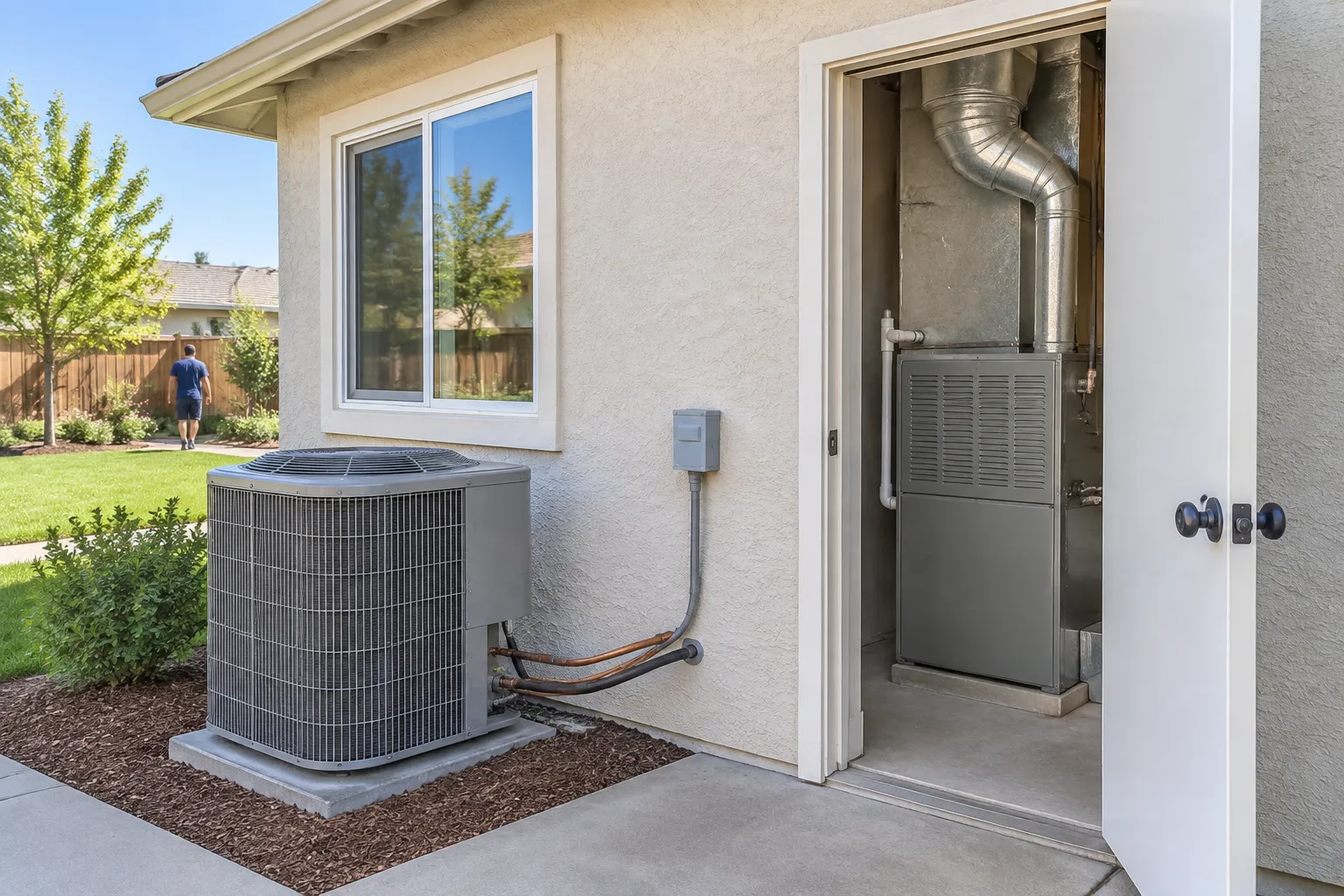
A central system has two halves. The outdoor unit holds the compressor and condenser coil. The indoor side holds the evaporator coil, the blower and, in many Sacramento homes, a furnace. Refrigerant circulates between them. A heat pump is similar but can run in reverse, so one machine both cools and heats. When any link in that chain fails, you notice it as weak airflow, no cooling or heating, odd smells or strange noises. The HVAC repair cost guide shows which failures are cheap and which are not.
What are the most common types of HVAC systems?
The three types you will see most often are a central air conditioner paired with a furnace, a heat pump, and a ductless mini split. A central split system uses ducts and has separate cooling and heating equipment. A heat pump does both jobs with one unit. A mini split has no ducts and serves single rooms or zones.
Each type has its own repair pages. For ducted cooling, start with AC repair. For gas heat, see furnace repair. If you own a heat pump, heat pump repair covers the faults specific to it. Ductless owners can read about a mini split AC. Weighing a new system? AC vs heat pump compares them, and the guide to a heat pump vs gas furnace looks at heating specifically.
What is the most expensive part of an HVAC system?
The compressor is usually the costliest part of an air conditioner. A compressor replacement runs $600 to $3,000 in Fixr's guide. On the heating side, a heat exchanger is the big one at $1,000 to $3,000. When a repair on one of these parts comes close to the price of a new unit, replacing often makes more sense.
Smaller parts cost far less. A capacitor is $100 to $400 in Fixr's guide. Because the big parts drive the big bills, it helps to know what each one does. Read about HVAC compressor repair, HVAC blower motor repair and HVAC leak repair before you sit down with a quote.
What causes HVAC systems to fail?
Most failures trace back to wear, neglect or both. Dirty filters strain the blower and cut airflow. ENERGY STAR says a dirty filter can raise energy costs and can shorten equipment life. Skipped maintenance lets dust build up on coils, and electrical parts such as capacitors wear out from heat and constant starting. Refrigerant leaks and clogged drain lines are other common causes.
Age is the other factor, and our guide on how long an AC lasts explains what is and is not known about lifespan. You can slow most of this down. Check or change filters monthly during heavy use, keep plants and debris away from the outdoor unit, and book a seasonal check. A visit usually covers filters, coils, electrical connections and safety controls, and HVAC maintenance lists what to expect, with the HVAC tune-up cost guide covering the price.
Which HVAC problems need a specialist right away?
Some faults cannot wait for a quote. If you smell gas, leave the home and call 911 from outside. If a carbon monoxide alarm sounds, get everyone outside into fresh air and call 911. A burning smell, sparks or a hot electrical odor means switch the system off at the thermostat and call a specialist. A refrigerant leak also needs a professional, not a home fix.
For no cooling in a heat wave or no heat on a cold night, the pages on emergency HVAC, AC emergency repair and furnace repair emergency explain what to do while you wait. The page on furnace carbon monoxide covers the warning signs and why a faulty furnace matters. If a furnace has simply locked out, a furnace reset page explains when one attempt is reasonable.
Your own safe checks stop at a short list: replace a dirty filter, check that the thermostat has fresh batteries, make sure the breaker has not tripped and clear any blocked vents. Do not open panels, touch wiring or adjust a gas valve. If the cause is a control problem, see HVAC thermostat repair and the thermostat not working guide. Duct trouble has its own page on HVAC ductwork repair.
What is the 20 rule for HVAC?
There is no official 20 rule, and this site does not have a verified figure for one. Some guides describe a temperature difference between the air returning to an air conditioner and the air leaving the supply vent. It is a rough check, not a standard, and humidity and airflow change the result.
A system that cools poorly can have an airflow, coil or refrigerant problem. A technician measures it with the right tools and compares it with the equipment's expected performance. You cannot judge a repair from one number. If your vents feel only mildly cool, read about an AC blowing warm air and an AC running but not cooling.
What is the 2 foot rule in HVAC?
The 2 foot rule is a common guideline to leave at least two feet of open space around the outdoor air conditioner unit. Airflow through the coil is what carries heat away, and shrubs, fences, stored items or piled leaves can choke it. Many guides suggest more room above the unit. Your unit's installation manual sets the exact distances.
This is another rule of thumb from industry guides rather than an official code, so check the manual for your model and any rules from your home association. Keeping the area clear is something you can do yourself, as long as you stay away from the fan and the panels. A blocked unit runs hotter, which can lead to a failed capacitor or an AC freezing up.
How do I get a good price on a new HVAC system?
Get at least three written quotes for the same job, so you can compare like with like. Each quote should state the equipment size, the efficiency rating, what is included for ducts, permits and removal of the old unit, and the total price. A price far below the others may leave something out. Ask how the specialist sized the system.
Fixr puts a full HVAC system installed at $8,000 to $20,000, with a heat pump installed at $5,000 to $15,000. No sourced price exists for a furnace alone or an air conditioner alone, so ask for those as separate written quotes. When a specialist sends a clear written quote, thank them and ask your follow-up questions in writing, so you have a record. The furnace and air conditioner replacement cost guide and furnace replacement cost for gas add detail by equipment type.
Are HVAC systems getting more expensive?
This page cannot show you a verified price trend, so it does not claim one. What the published guides do show is a wide spread. Fixr puts a full system installed at about $8,000 to $20,000, and the size of the home, the efficiency of the equipment and the state of your ducts push the price up or down far more than the calendar does.
The practical answer is to compare current written quotes rather than rely on last year's price. Equipment choice moves the total as well: a ductless system, a ducted heat pump and a gas furnace paired with an air conditioner each have different price ranges. The ductless mini split installed cost and HVAC ductwork installation cost guides break those out.
How do I choose an HVAC repair technician?
Start with the license. C-20 is the CSLB classification for warm-air heating, ventilating and air-conditioning work. Ask any specialist for their license number and check it on the License Check page of the Contractors State License Board website. Ask who will handle any permit the job needs. Then ask for the service call fee, whether it counts toward the repair, and the part, labor and total price in writing before work starts.
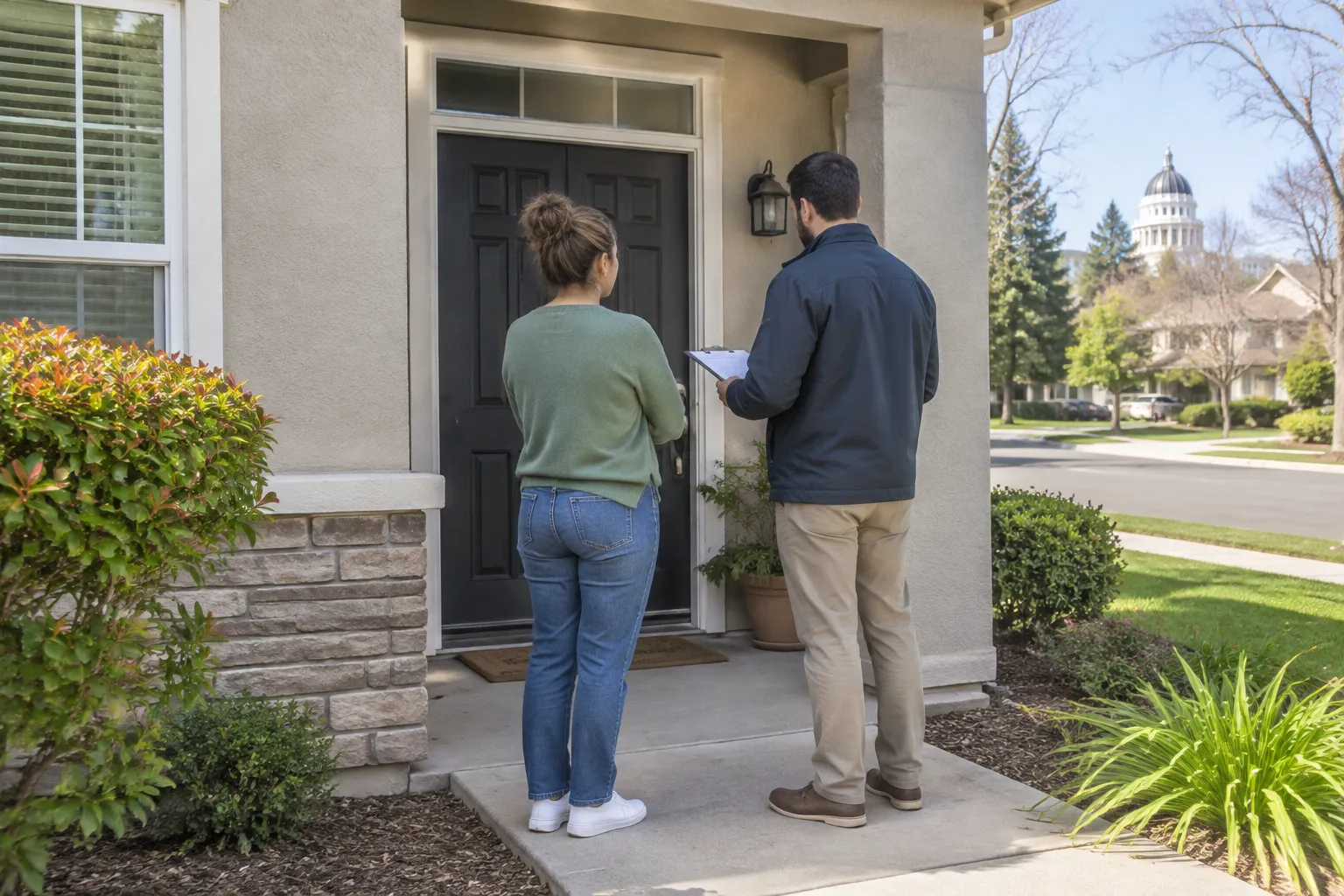
A good specialist explains the fault in plain words, shows you the failed part where possible and gives you the replace-or-repair numbers without pressure. Be wary of a quote that arrives with no diagnosis. This site does not rank or rate businesses and cannot say which company is right for you, so use the quotes and the license check to decide. The how the process works page explains what happens after you send a request.
Where in Sacramento can I get HVAC quotes?
Quote requests go to local specialists who work in your part of the city. You can start from the areas we cover page, or go straight to your neighborhood: Midtown, Land Park, East Sacramento, Oak Park, Natomas and Pocket and Greenhaven.
Specialists also work in South Land Park and Hollywood Park, Arden-Arcade, Carmichael, Citrus Heights, West Sacramento and North Highlands. Each page covers what is particular to that area. When you are ready, the quotes page has a short form that takes about two minutes.
How does HVAC repair affect indoor air quality?
A repair can improve indoor air quality when it fixes the cause of poor airflow, dust or moisture. Indoor air quality is the quality of the air inside a home. A clogged filter, leaky ducts or a damp drain pan can each make the air in a home feel worse.
HVAC specialists sometimes offer air quality services such as filter upgrades or duct sealing. Ask what each one would do, what it costs and what problem it solves. Sealing a leak is a repair covered by HVAC ductwork repair, and filters are a regular part of a seasonal visit. The aim of any fix is to restore steady airflow and keep the house comfortable all year.
What should I have ready before I ask for quotes?
Have the make and model of the equipment if you can read it from the label, the approximate age, and a short description of the fault. Note what you have already tried, such as changing the filter or resetting the thermostat. Photos of the unit and the error lights help a specialist give a first view before any visit.
Also note when the problem began and whether you hear strange noises, such as grinding, clicking or squealing. Brand names matter only as plain facts about the equipment. A reset button, a part number or an error code differs from one brand to the next, so the label helps the specialist bring the right part. The library of HVAC guides answers many questions you may have first, from furnace short cycling to what a maintenance plan includes.
Questions people ask
Who are the top electrical contractors in Sacramento?
This site covers HVAC, not electrical work, and it does not rank businesses. For electrical contractors, look up the license on the Contractors State License Board website and ask for written quotes. For HVAC, the quotes page sends your request to local specialists who then contact you directly.
Which HVAC company in Sacramento should I pick?
This site cannot name one company for you, because this site has no ratings or rankings and does not endorse any business. Compare at least three written quotes, check each license number on the CSLB site, and ask what the service call fee covers. The right choice is the specialist who explains the problem clearly and prices it in writing.
What causes HVAC systems to fail?
The usual causes are dirty filters, missed maintenance, worn electrical parts, refrigerant leaks and age. Filters and clean coils are the easiest to control. ENERGY STAR recommends checking filters monthly and having a contractor do an annual pre-season check, cooling in spring and heating in fall.
What are the 3 most common types of HVAC systems?
A central air conditioner paired with a furnace, a heat pump, and a ductless mini split are the three you see most. The first two use ducts, and a heat pump both cools and heats. A mini split serves a room or zone without ducts. Our AC vs heat pump page compares the options.
What are the California HVAC rebate programs?
Rebate programs change, and this site does not list specific ones because it cannot confirm current terms. Ask each specialist whether any program applies to your equipment, and check with your electric and gas utilities before you buy. Get the details in writing, since eligibility often depends on the equipment and on who installs it.
What you can get quotes for
- AC repair
What AC repair in Sacramento involves, what it usually costs, and how to get quotes from local HVAC specialists before you book anything.
- Furnace repair
What furnace repair in Sacramento involves, what common fixes cost, what to check first and how to get quotes from local HVAC specialists.
- HVAC maintenance and tune-ups
What HVAC maintenance includes, how often to do it, what a tune-up costs and what you can do yourself, with a way to get quotes from local…
- Blower motor repair
What blower motor and furnace flame sensor repair involves, what it costs, which warning signs matter and how to get quotes from local…
- Emergency HVAC repair
Know what counts as an HVAC emergency, what after-hours service can cost, and how to ask local Sacramento specialists for quotes when…
- AC repair cost
AC repair price ranges for Sacramento homes: typical repair costs, common parts, what drives the bill and when replacing makes more sense…
- Emergency AC repair
What counts as an AC emergency, what after-hours repair usually costs, what to do while you wait and how to ask local specialists for…
- AC vs heat pump
AC vs heat pump for a Sacramento home - how each works, what each costs installed, and when a heat pump makes sense.
- Furnace carbon monoxide safety
Can a furnace cause carbon monoxide? What to do if your alarm goes off, signs of a problem, and how to get a local specialist to inspect a…
- Emergency furnace repair
No heat or a furnace blowing cold air? See what counts as a furnace emergency, what after-hours repair costs, and how to get quotes from…
- Furnace reset button help
How to reset a furnace safely, where the reset button is, why it keeps tripping and when to ask local HVAC specialists for a repair quote.
- Heat pump repair
Heat pump not heating or cooling? See common problems, repair costs, ice buildup, lifespan and what to ask.
- Compressor repair
What an AC compressor does, signs it is failing, repair versus replacement costs and coil cleaning.
- Ductwork repair
HVAC ductwork repair in Sacramento: what a repair involves, typical price ranges, signs of leaky ducts and how to get quotes from local…
- Refrigerant leak repair
Low on refrigerant or "Freon"? See signs of a refrigerant leak, why topping off is not a fix, leak repair costs, and how to get quotes…
- Thermostat repair
HVAC thermostat repair in Sacramento: what to check after a power cut, how to reboot a thermostat, signs it is bad, typical prices and how…
- Mini split AC
How a mini split AC works, what installation costs, how many units a home needs and what to ask.
- AC recharge cost
A home AC recharge typically costs $100-600 in a published guide.
- Mini split installed cost
A typical ductless mini split costs $4,577-8,328 installed.
- Furnace repair cost
Furnace repair price ranges for Sacramento homes: cost by part, what drives the bill, system replacement prices and when replacing beats…
- Heat pump cost
Heat pump installation typically costs $5,000-15,000 in Fixr's guide.
- Blower motor replacement cost
HVAC blower motor replacement price range, plus costs for a control board, gas valve and other furnace parts, with tips on what changes…
- Capacitor replacement cost
HVAC capacitor replacement usually runs $100-400 in Fixr's guide.
- Ductwork installation cost
HVAC ductwork installation typically costs $1,436-17,149 in Fixr's guide, about $9,293 on average.
- HVAC repair cost
HVAC repair prices for Sacramento homes: typical costs for AC and furnace repairs, ducting, a new system and what pushes a bill up or down.
- New HVAC system cost
What a whole new HVAC system costs installed: the published price range, heat pump and ductwork prices, labor, and when replacing an old…
- Thermostat replacement cost
HVAC thermostat replacement typically costs $85-300 for a programmable model and $185-600 for a smart one.
- HVAC tune-up cost
HVAC tune-up price range for Sacramento homes: what one visit costs, maintenance plan prices, what a visit covers and how often to book.
Where these facts come from
- This Old House, HVAC maintenance cost
- Fixr, air conditioner repair cost guide
- Bob Vila, furnace repair cost
- American Standard Air, HVAC repair cost
- Fixr, HVAC installation cost article
- Fixr, heat pump installation cost
- ENERGY STAR, heating and cooling maintenance checklist
- NOAA 1991-2020 climate normals, Sacramento Executive Airport
- Contractors State License Board (CSLB)
Page updated