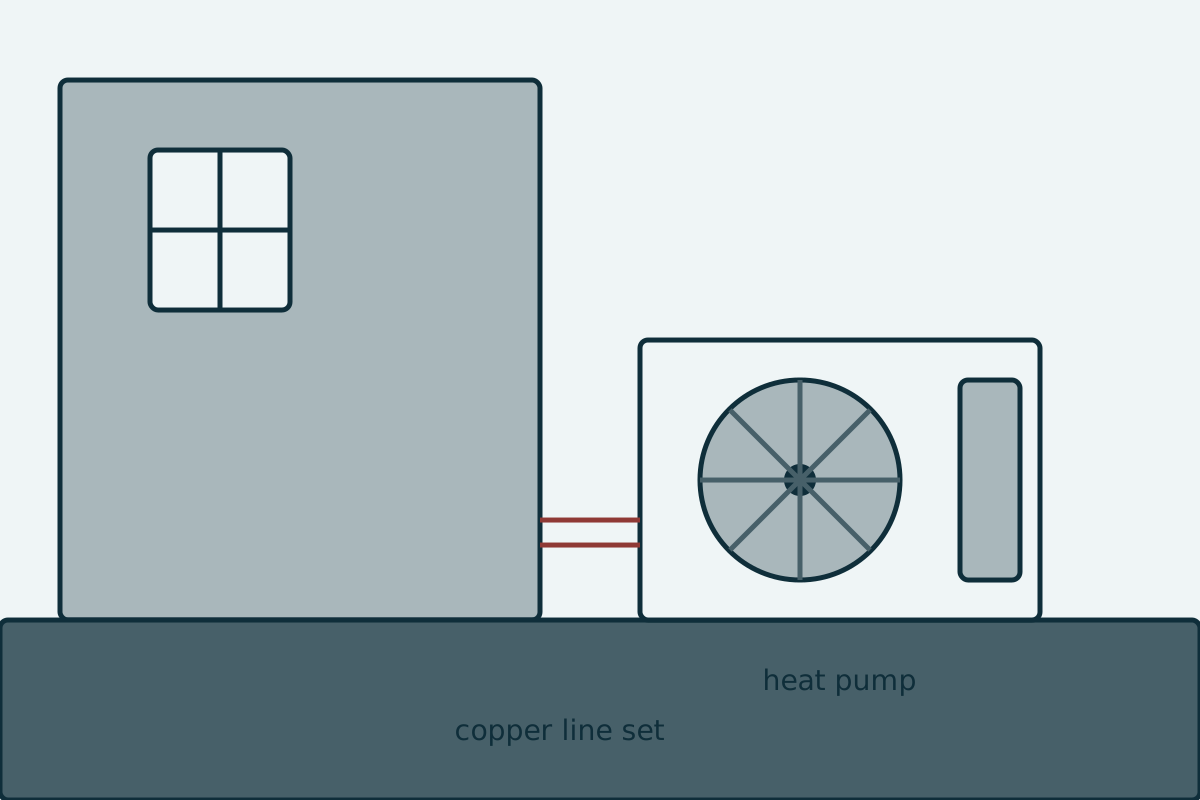
The reversing valve is the part that lets a heat pump heat your home in winter and cool it in summer, by switching the direction refrigerant flows. When it fails, the usual sign is a heat pump stuck in one mode, either heating when you want cooling or the reverse. There is no sourced price range for a reversing valve on its own, but Fixr puts heat pump repair at $150-650, and the real price depends on your unit and access. This page supports our main guide to heat pump repair in Sacramento. It explains how the valve works, the signs of failure, what a repair involves and what to ask before you agree to one.
What does a heat pump reversing valve do?
The reversing valve changes the direction of refrigerant flow so the same equipment can either pull heat out of your home or bring heat in. A cooling-only air conditioner has no reversing valve and can only cool. A heat pump uses its reversing valve to reverse the cycle, delivering heat indoors in winter and cooling in summer.
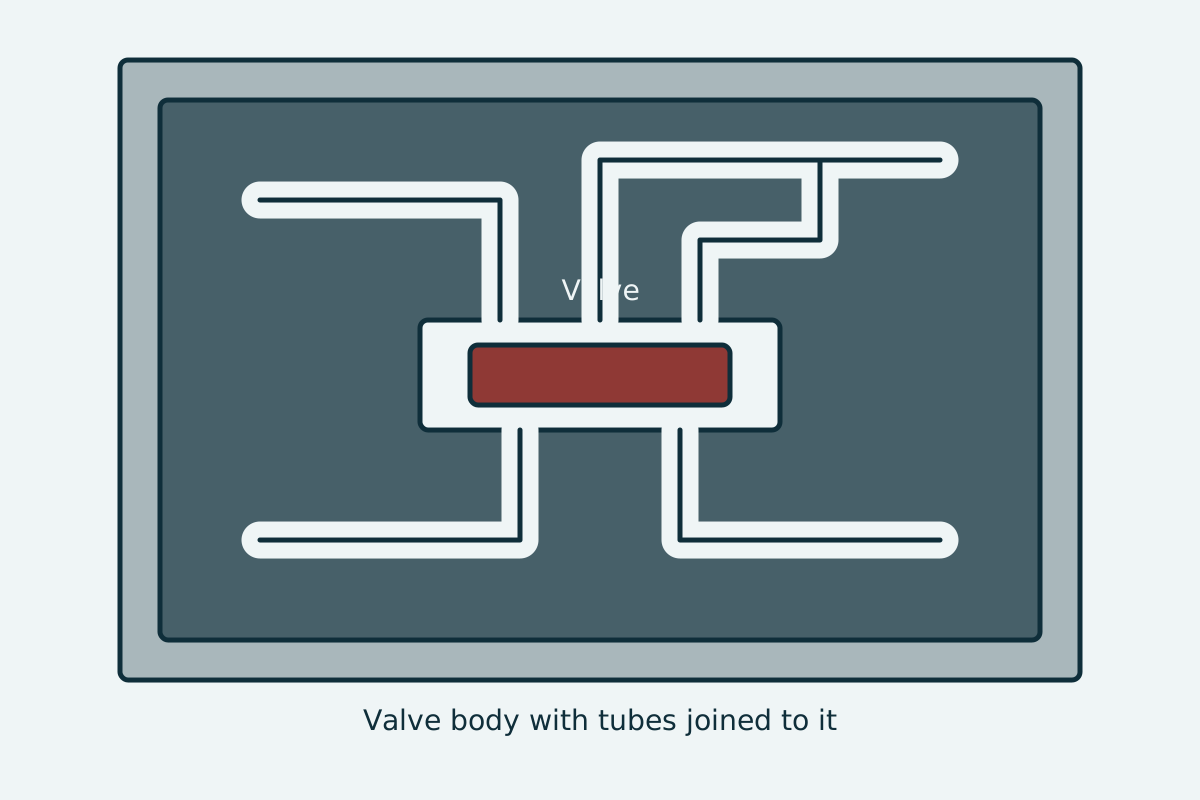
In plain terms:
- Cooling mode. The valve routes refrigerant so the indoor coil absorbs heat from your home and the outdoor coil releases it.
- Heating mode. The valve flips the flow, so the outdoor coil picks up heat from outside air and the indoor coil releases it into your home.
- Defrost. Heat pumps commonly also use the valve for the defrost cycle that keeps the outdoor coil from icing, so ask the specialist how your model handles it.
ENERGY STAR describes the same idea: an air-source heat pump extracts heat from outside into your home in winter and pulls heat out in summer. The valve is what makes that possible. Our guide to AC versus heat pump compares the two systems.
What are the signs of a failing reversing valve?
The main sign is a heat pump stuck in one mode: the unit will not switch between heating and cooling. Other changes can point the same way, but each can also come from other faults, so a specialist should test before naming the valve.
Watch for:
- Cool air from the vents when the thermostat is set to heat, or warm air when it is set to cool
- A heat pump that works in one season and not the other
- The outdoor coil icing up in winter when it normally would not
Check the basics first. Make sure the thermostat is set to the right mode and that the batteries are fresh. If the thermostat is correct and the unit is still in the wrong mode, call a specialist. See HVAC thermostat repair for thermostat faults.
What causes reversing valve failures?
Failures usually come from a stuck valve, a faulty solenoid or a refrigerant problem, and the specialist's job is to find which. A valve can stick partway, so you get weak heating or cooling instead of a full switch. The solenoid, a small electric coil that moves the valve, can fail on its own while the valve itself is fine.
Common contributors:
- Wear. The valve moves every time the unit changes mode.
- Electrical faults. A dead solenoid or a control signal that never arrives.
- Incorrect refrigerant levels. The Department of Energy names improper charging as a cause of lost efficiency, and a specialist can check the charge.
- Moisture or debris in the system. Ask the specialist whether anything in the lines could have damaged components.
- Poor installation or maintenance. Regular upkeep helps, so ask what a service visit for a heat pump covers.
Some "reversing valve" calls turn out to be a bad solenoid, a faulty thermostat or a control board issue, all of which cost less. Ask the specialist what tests they ran and what they found.
What does reversing valve repair involve?
Repair means diagnosing the fault, then either replacing the solenoid or replacing the whole valve. Replacing the valve is a specialist job. The refrigerant has to be recovered from the system, the old valve cut out and a new one brazed into the line, then the system is evacuated, recharged and tested in both modes.
A typical job:
- Confirm the fault by testing power to the solenoid and checking the pressures and temperatures in each mode.
- If the solenoid is bad, swap it. If the valve is stuck or leaking, plan a replacement.
- Recover the refrigerant, replace the valve and repair any other damage.
- Evacuate the lines and recharge to the manufacturer's specification.
- Test the unit in heating, cooling and defrost.
Refrigerant handling follows federal rules. The EPA's Section 608 program covers stationary air conditioning equipment and prohibits intentionally venting refrigerants during service, repair or disposal. Under EPA rules, only technicians who hold Section 608 certification, or employers of one, can buy refrigerant for home AC equipment. None of this is a DIY job.
How much does heat pump reversing valve repair cost?
Fixr's heat pump repair guide puts heat pump repair at $150-650. There is no sourced range for a reversing valve replacement on its own, so ask for a written quote. A local specialist quotes the real price after diagnosis, and that price depends on your unit and how easy the valve is to reach.
What moves the price:
- Unit model. Some models have costlier parts.
- Accessibility. A hard-to-reach valve means more labor.
- Refrigerant. Recovery and recharge add labor and material.
- Related faults. A leak or a damaged compressor changes the job. See HVAC compressor repair.
- Timing. After-hours visits can cost more, which is why you ask for a dollar figure first.
For other repairs, see heat pump cost and HVAC repair cost.
Should you repair the valve or replace the heat pump?
Repair makes sense when the heat pump is otherwise in good shape. Replacement is worth considering when the unit is old, the repair is large or other failures are piling up. A reversing valve replacement on a relatively young system with no other faults is a reasonable repair. On an old system with a failing compressor, putting money into a valve may not pay off.
Weigh:
- The age of the system, and how long you expect to stay
- The repair quote next to the cost of a new heat pump
- Whether other parts show wear
- The written warranty terms on the equipment, if it is still covered
- Whether you want a different type of system. Our guide to a heat pump versus a gas furnace may help.
How do you choose a specialist for heat pump service?
Ask for the license number, the tests behind the diagnosis and a written quote. C-20 is the CSLB classification for warm-air heating, ventilating and air-conditioning work. Ask any specialist for their license number and check it on the CSLB License Check page.
Ask each specialist:
- What tests showed the reversing valve is the fault, not the solenoid or the thermostat?
- Does the quote include the valve, refrigerant recovery and recharge, and testing?
- What is covered by the warranty on the part and the labor, in writing?
- What is the visit fee, and is it applied to the repair?
- Do they also offer heat pump service, so you can book upkeep afterward? Ask what a service visit covers.
Use the quotes page to ask local specialists for prices, and see how Sacramento Heating and AC works if you are new here.
Questions people ask
How long does heat pump reversing valve repair take?
It depends on the fault and whether the part is available. A solenoid swap is shorter than a full valve replacement, which involves recovering refrigerant, brazing in a new valve, evacuating and recharging. Ask the specialist for a time estimate with the quote, and whether a second visit is likely.
What should I ask before I hire someone for heat pump reversing valve repair?
Ask for their California contractor license number and check it on the CSLB site. Ask what tests pointed to the valve, whether the quote covers refrigerant recovery, recharge and testing, what the warranty covers on parts and labor, and what the visit fee is. Ask for it in writing.
Do I need to be home for heat pump reversing valve repair?
An adult usually needs to be home to give access, discuss the diagnosis and approve the quote. The specialist needs to reach the outdoor unit and sometimes the indoor air handler and the thermostat. Clear space around the outdoor unit and keep pets away from the work area.
Can I fix a heat pump stuck in one mode myself?
You can check the thermostat mode, replace its batteries and confirm the breaker has not tripped. The valve, solenoid and refrigerant work are specialist jobs, and refrigerant rules apply. If the unit is still in the wrong mode after the basic checks, switch it off and call a specialist.
Is a reversing valve problem an emergency?
Usually not, unless it leaves you without cooling in a heat wave or heat in cold weather and someone at home is vulnerable. Turn the system off if you smell burning or see smoke, and call 911 for fire. For urgent problems, see emergency HVAC in Sacramento.
Where these facts come from
Page updated